Why an ecommerce blog is your most undervalued sales asset (and how to use it)
Want more sales? Starting a blog might bring you to your next big win.

Let’s be honest: as an ecommerce owner, your to-do list is already a mile long. Adding "write a blog post" to that list can feel like a chore that doesn't actually pay the bills. But when you do it right, an ecommerce blog isn't just a collection of articles—it’s a silent salesperson that works for you 24/7.
Instead of constantly paying for ads, a good ecommerce blog helps you show up exactly when your customers are looking for help. Here are five simple ways to make your blog start pulling its weight and driving real sales.
Why is a blog important for SEO in ecommerce?
SEO in ecommerce is all about bringing in customers to your store, and then convincing them to stay and buy from you.
Think of your blog as the bridge between someone just "browsing" and someone ready to hit "add to cart." Most people aren't ready to buy the very first time they hear about you. They have questions, doubts, or a specific problem they’re trying to solve.
By focusing on blogging for business growth, you're playing the long game. Every helpful post you write does two big things for your store:
It brings in the right people: When you answer the specific questions your customers are typing into Google, you attract visitors who actually need what you’re selling.
It builds real trust: People buy from brands they feel connected to. A blog lets you show off your expertise and personality, making it way easier for a customer to choose you over a giant, faceless competitor.
5 simple ecommerce blog strategies to turn readers into customers
If you’re looking for the best ecommerce blog topics for beginners, start with these five. They’re easy to write because you already know your business better than anyone.
1. Answer the questions you get asked every day
The emails sitting in your inbox right now are your best ecommerce blog ideas. If one customer is asking it, hundreds more are probably searching for it online.
Example: If you sell houseplants, write a post called "Why are my leaves turning brown?" You’re helping them out and naturally mentioning the plant food or misting bottles you sell.
2. Show your products in the real world
Product photos on a white background are great, but people want to see how your stuff actually works. "How-to" guides and tutorials take the guesswork out of buying.
Example: If you sell outdoor gear, a quick guide on "How to pack your hiking bag for a weekend trip" shows your gear in action and makes the reader feel prepared to buy.
3. Create simple buying guides
Sometimes, having too many choices makes customers freeze up and leave. A good buying guide helps them pick the right item for their specific needs, which keeps them on your site.
Example: A coffee roaster could write, "Light roast vs. dark roast: which one is right for your morning brew?" It’s a simple way to help them pick a bag and checkout.
4. Share your customers' wins
Nothing builds confidence like seeing someone else succeed with your product. Instead of just a one-sentence testimonial, tell a quick story about how your product helped a customer solve a problem.
Example: "How Sarah finally organized her home office using our modular shelving." It’s relatable, honest, and way more convincing than a sales pitch.
5. Talk about the problem, not just the product
Most people don’t start by searching for a product; they start by searching for a solution to a frustration. Meet them there.
Example: If you sell ergonomic office chairs, write about "How to stop neck pain while working from home." You're helping them with the pain first, then introducing your chair as the fix.
6. (Bonus) Don’t forget to add a call-to-action!
Don't leave your readers hanging! Every ecommerce blog post should end with a "call to action." It doesn't have to be a pushy sales pitch—just a friendly nudge on what to do next.
Try simple phrases like:
"Ready to find your perfect fit? Check out our new collection here."
"Have questions? Drop us a line—we’re happy to help."
To add some meat to the post and improve your rankings, you should add a section on "Content Distribution" or "Repurposing." Search engines love this because it shows you understand the full ecosystem of a "blog," and users love it because it shows them how to get more value out of a single piece of writing.
Here is a new section you can slot in right before the final "Growth Engine" conclusion. It uses the same conversational tone and sentence case headings.
How to get more eyes on your ecommerce blog (without more work)
Writing the post is only half the battle. If you want your ecommerce blog to truly drive sales, you need to make sure people actually see it. The best part? You don’t need to write more content; you just need to repurpose what you’ve already created.
Once you hit publish, try these three quick wins:
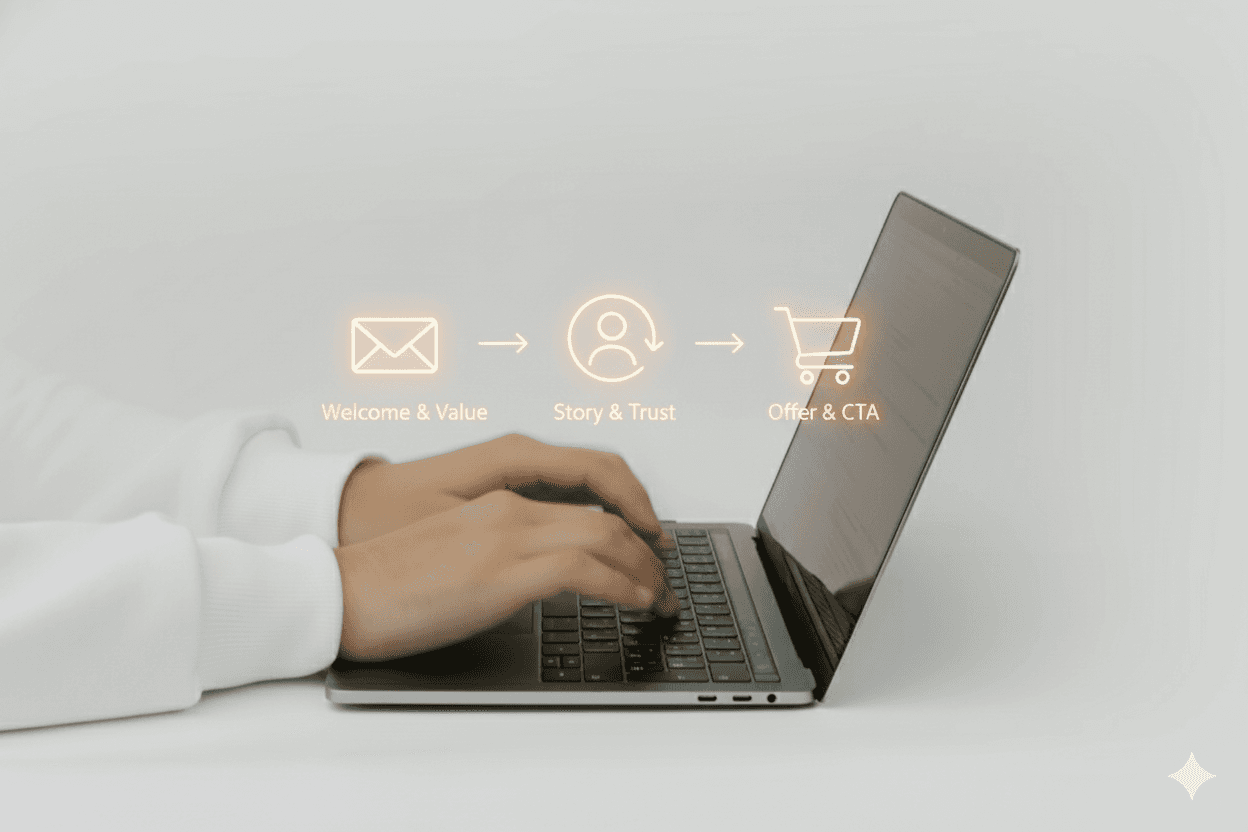
Turn your blog into a newsletter: Take the main points of your post and send them to your email list, in the form of a newsletter or welcome email. It’s an easy way to stay top-of-mind and drive "warm" traffic back to your store.
Create "bite-sized" social posts: One blog post can easily become three Instagram captions, a couple of TikTok scripts, or a series of Tweets. This helps you stay active on social media without constantly staring at a blank screen.
Use it in your customer support: Next time a customer emails you with a question you've already answered in a post, send them the link! It’s more helpful than a short email and introduces them to other products they might like.
By treating your blog as a "content hub," you ensure that every hour you spend writing (or every post Melora generates for you) works ten times harder for your business.
Making your ecommerce blog a lasting growth engine
Feeling inspired but short on time? We know that as a business owner, finding the hours to research, write, and optimize every post is tough. That’s where Melora comes in. Melora uses AI to automatically generate SEO-optimized blog posts, newsletters, and social media content tailored to your business in minutes.
Try Melora free today and get a full week of content created for you, so you can focus on running your shop while your blog handles the selling.
Share on social media